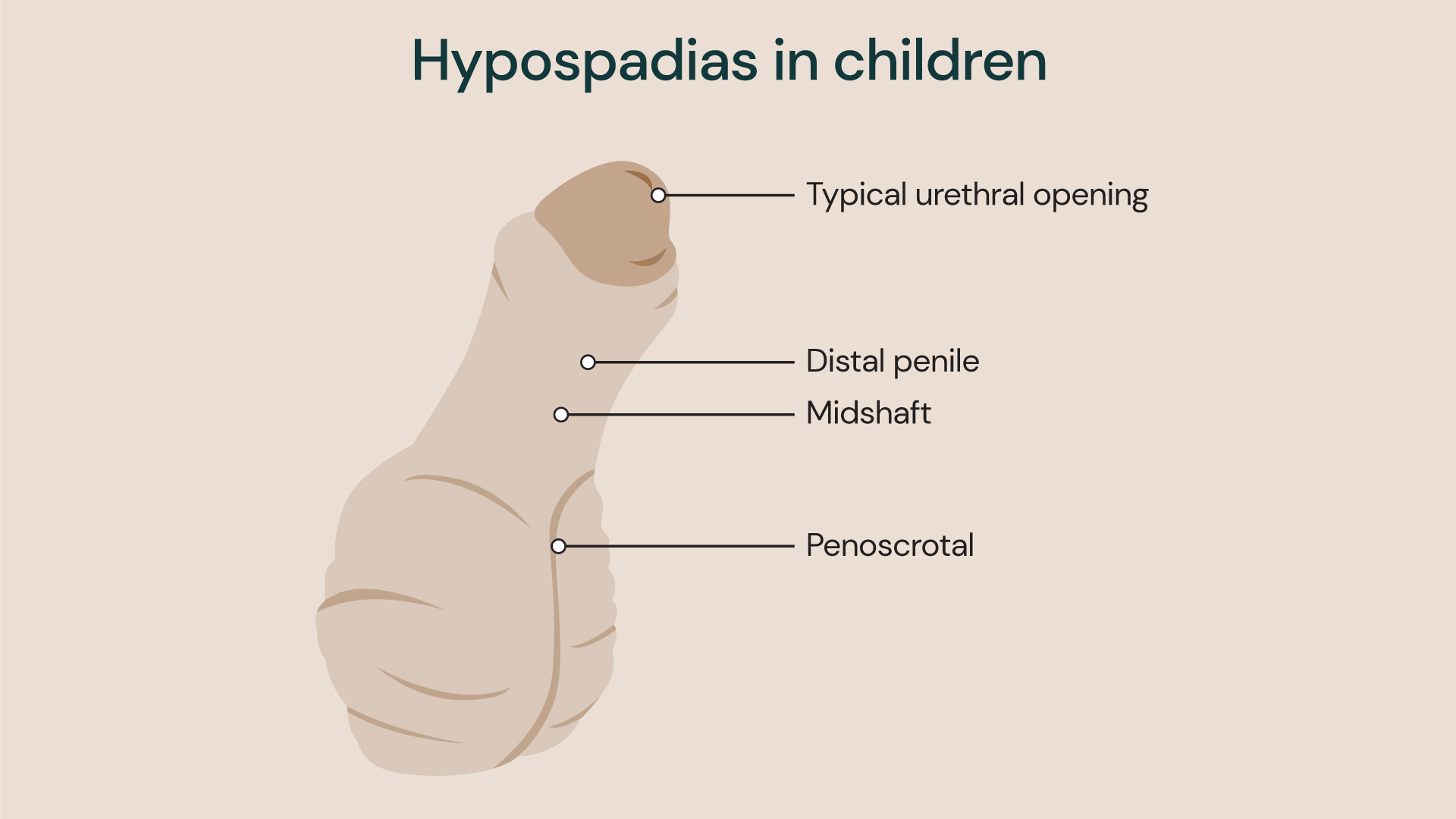
Hypospadias is a congenital condition where the opening of the urethra (the tube that carries urine from the bladder to the outside of the body) is located on the underside of the penis instead of the tip. Treatment for hypospadias typically involves surgical correction to reposition the urethral opening to the tip of the penis and reconstruct the surrounding tissue. The specific approach to hypospadias repair depends on factors such as the severity of the condition, the location of the urethral opening, and the presence of any associated abnormalities. Some common treatment options for hypospadias include:
Staged Repair: In some cases of severe hypospadias or when the urethral plate is inadequate, a staged approach to surgery may be necessary. This involves performing multiple surgeries over time to gradually reconstruct the penis and urethra.
Postoperative Care: After hypospadias repair surgery, careful postoperative care is essential to promote healing and prevent complications. This may include keeping the surgical site clean and dry, administering pain medication as needed, and avoiding strenuous activities or straining during bowel movements.
Follow-up: Regular follow-up visits with a pediatric urologist or surgeon are necessary to monitor healing, assess urinary function, and address any concerns or complications that may arise. Additional surgeries or interventions may be required in some cases to achieve optimal outcomes.
The overall success rate of hypospadias repair surgery is generally high, with most children experiencing improved urinary function and cosmetic appearance of the penis following surgery. However, outcomes can vary depending on the severity of the condition, the surgical technique used, and individual factors. It's important for parents to discuss treatment options and expectations with their child's healthcare provider to make informed decisions about hypospadias treatment. Early intervention and appropriate surgical correction can help ensure optimal outcomes and improve the child's quality of life.