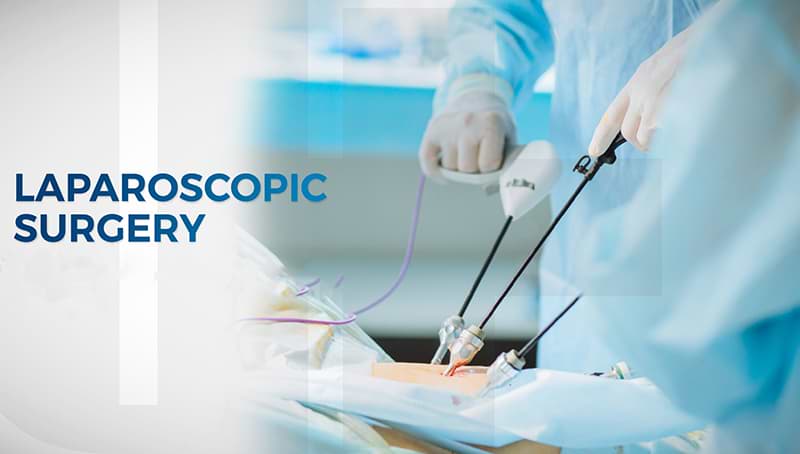
Laparoscopy, also known as minimally invasive surgery or keyhole surgery, is a surgical technique used to perform various procedures inside the abdomen or pelvis. Instead of making a large incision, laparoscopic surgery involves making several small incisions, typically between 0.5 and 1.5 centimeters in length.
During laparoscopy, a laparoscope — a thin, flexible tube with a camera and light source attached to it — is inserted through one of the incisions. This allows the surgeon to visualize the inside of the abdomen or pelvis on a monitor. Additional surgical instruments are inserted through the other incisions to perform the necessary procedures.
Smaller incisions: The smaller incisions result in less trauma to the surrounding tissues, reduced pain, and faster recovery times.
Reduced blood loss: Since laparoscopic procedures are minimally invasive, they typically involve less blood loss compared to open surgery.
Shorter hospital stays: Patients undergoing laparoscopic surgery often have shorter hospital stays and can return to normal activities sooner.
Lower risk of complications: Laparoscopic surgery carries a lower risk of complications such as infection and hernia formation compared to open surgery.
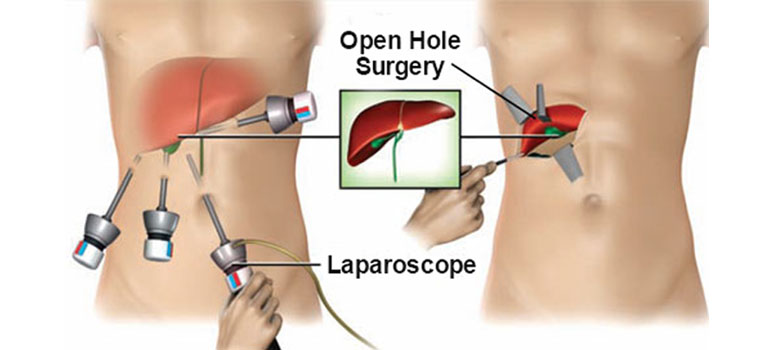
Overall, laparoscopic surgery provides a less invasive alternative to traditional open surgery for many medical conditions, offering patients faster recovery times and reduced postoperative discomfort. However, not all patients are suitable candidates for laparoscopic procedures, and the appropriate surgical approach will depend on individual factors such as the patient's medical history and the nature of the condition being treated. It's essential to consult with a qualified surgeon to determine the most appropriate treatment option for your specific needs.