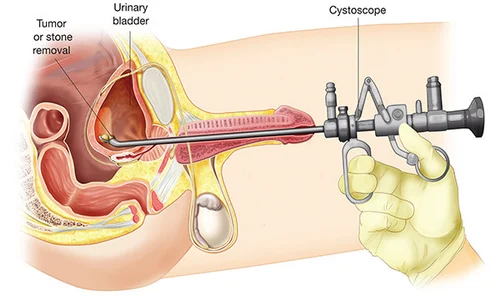
Prostate laser surgery, also known as laser prostatectomy, is a minimally invasive surgical procedure used to treat benign prostatic hyperplasia (BPH), which is the enlargement of the prostate gland. BPH can cause urinary symptoms such as frequent urination, difficulty starting urination, weak urine stream, and incomplete emptying of the bladder.
Laser Vaporization (Laser Ablation): This technique involves using a laser to vaporize the excess prostate tissue, which helps open up the urinary passage and relieve symptoms.
Holmium Laser Enucleation of the Prostate (HoLEP): In this procedure, a holmium laser is used to remove the enlarged prostate tissue in small, intact pieces. This technique is particularly suitable for larger prostates.
GreenLight Laser Therapy (Photoselective Vaporization of the Prostate - PVP): GreenLight laser therapy utilizes a high-powered laser to precisely vaporize the excess prostate tissue while minimizing damage to surrounding structures.
Thulium Laser Enucleation of the Prostate (ThuLEP): This technique is similar to HoLEP but uses a thulium laser to remove the prostate tissue.
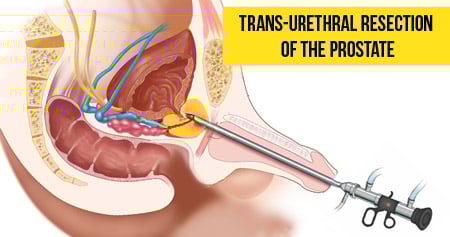
It's important to consult with a healthcare professional for proper diagnosis and treatment of kidney stones, as the appropriate course of action will depend on individual circumstances. Additionally, your healthcare provider can offer guidance on lifestyle changes to help prevent future kidney stone formation.