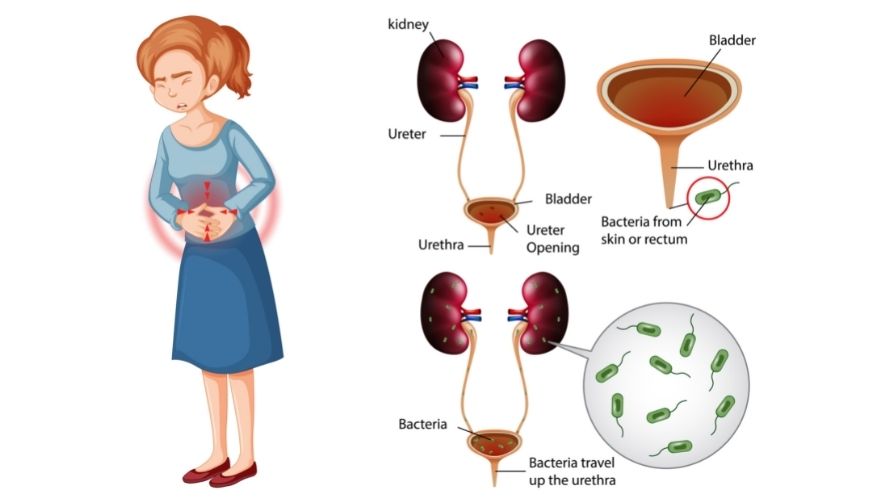
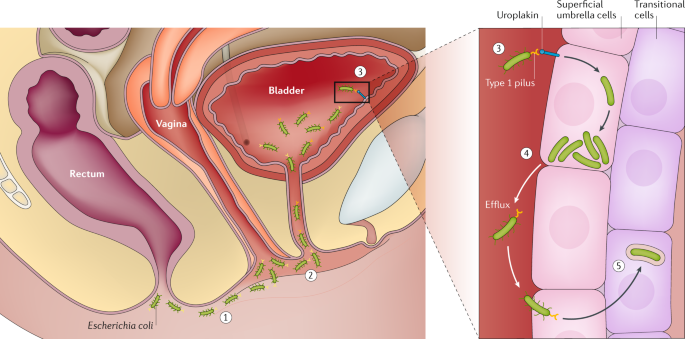
Urinary Tract Infection (UTI) is a common bacterial infection that affects the urinary system, including the kidneys, ureters, bladder, and urethra. UTIs occur when bacteria, usually from the digestive tract, enter the urinary tract and multiply, leading to infection and inflammation.
UTIs can cause various symptoms, including:
Pain or burning sensation during urination
Frequent urination
Urgent need to urinate
Cloudy or bloody urine
Pelvic pain (in women)
Rectal pain (in men)
Fever and chills (in severe cases)
UTIs are typically treated with antibiotics to kill the bacteria causing the infection. The choice of antibiotic depends on factors such as the type of bacteria identified in the urine culture, the severity of symptoms, and the patient's medical history. Commonly prescribed antibiotics for UTIs include:
- Trimethoprim/sulfamethoxazole (Bactrim, Septra)
- Nitrofurantoin (Macrobid, Macrodantin)
- Ciprofloxacin (Cipro)
- Levofloxacin (Levaquin)
- Cephalexin (Keflex)
- Amoxicillin-clavulanate (Augmentin)
In addition to antibiotics, other treatments and self-care measures may help alleviate UTI symptoms and promote recovery, including:
- Increasing Fluid Intake: Drinking plenty of water helps flush out bacteria from the urinary tract and dilutes urine, reducing pain during urination.
- Urinary Analgesics: Over-the-counter pain relievers such as ibuprofen (Advil, Motrin) or acetaminophen (Tylenol) can help relieve pain and discomfort associated with UTIs.
- Avoiding Irritants: Avoiding caffeine, alcohol, spicy foods, and acidic beverages can help reduce irritation to the bladder and urinary tract.
- Applying Heat: Applying a heating pad to the abdomen or pelvic area can help alleviate pelvic pain and discomfort.
- Emptying Bladder Completely: Urinating frequently and completely emptying the bladder helps flush out bacteria and prevent the spread of infection.
- Good Hygiene Practices: Maintaining good hygiene, including wiping from front to back after using the toilet and urinating before and after sexual intercourse, can help prevent UTIs.
It's essential to complete the full course of antibiotics prescribed by your healthcare provider, even if symptoms improve before the medication is finished, to ensure that the infection is fully eradicated and to prevent recurrence or antibiotic resistance.
If UTI symptoms persist or worsen despite treatment, or if you experience severe symptoms such as high fever, severe abdominal or back pain, or vomiting, it's important to seek medical attention promptly, as these may indicate a more serious infection or complication.