Kidney Stone Treatment

Kidney Stone Treatment

kidney

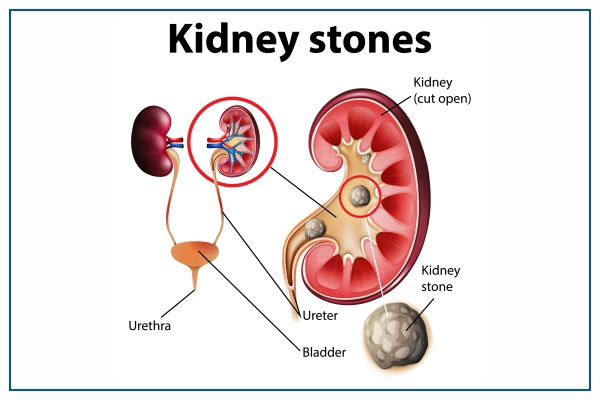
Kidney stones, also known as renal calculi, are hard deposits made of minerals and salts that form inside your kidneys. They can vary in size, ranging from as small as a grain of sand to as large as a golf ball. Kidney stones often cause severe pain when they pass through the urinary tract.

The formation of kidney stones can be attributed to various factors, including:

Dehydration: Not drinking enough water can lead to concentrated urine, which increases the risk of stone formation.

Diet: Consuming foods high in oxalate, calcium, and certain proteins can contribute to stone formation.

Family history: A family history of kidney stones may increase your risk of developing them.

Medical conditions: Certain medical conditions, such as obesity, digestive diseases, and urinary tract infections, can increase the risk of kidney stones.
kidney-stones-overview

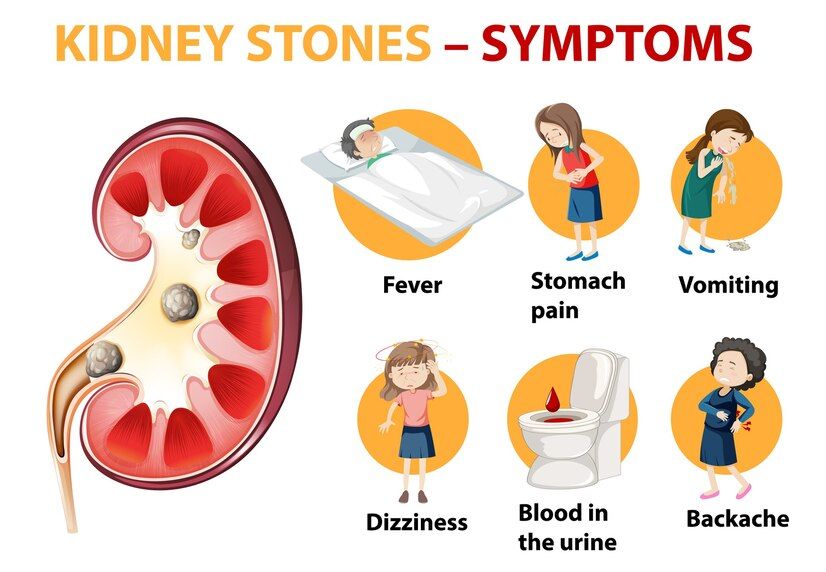
Symptoms of kidney stones may include severe pain in the back, side, abdomen, or groin, nausea, vomiting, blood in the urine, and frequent urination.
Treatment options for kidney stones depend on the size of the stone, its location, and the severity of symptoms. Some common treatments and solutions include:
  • Drinking water: Increasing fluid intake, particularly water, can help flush out smaller kidney stones and prevent new ones from forming.
  • Pain management: Over-the-counter pain medications such as ibuprofen or acetaminophen may help alleviate pain associated with kidney stones.
  • Medical therapy: Certain medications, such as alpha blockers or calcium channel blockers, may help relax the muscles in the ureter, making it easier for the stone to pass.
  • Lithotripsy: This procedure uses shock waves to break up larger kidney stones into smaller pieces that can be passed more easily.
  • Surgery: In some cases, surgical intervention may be necessary to remove or break up large or particularly stubborn kidney stones.
  • Preventive measures: Making dietary changes, such as reducing salt and animal protein intake, and increasing consumption of water and foods high in citrate, may help prevent the formation of kidney stones.
Kidney_Stones

It's important to consult with a healthcare professional for proper diagnosis and treatment of kidney stones, as the appropriate course of action will depend on individual circumstances. Additionally, your healthcare provider can offer guidance on lifestyle changes to help prevent future kidney stone formation.